Wall Cracks: Signs, Causes, and Effective Repair Solutions
A crack in the wall has a way of making homeowners stop and worry. Is it serious? Has something shifted? Do you need to call someone? The truth is, most wall cracks are cosmetic and entirely fixable with the right approach. But some do signal something more significant, and knowing the difference matters. Understand how to read a crack, what causes it, and how to fix it properly so it does not come back.
What Do Wall Cracks Tell You About Your Home?
A crack is your wall communicating. The shape, width, location, and pattern all give you useful information about what is happening behind the surface.
Hairline Cracks: Cosmetic or Serious?
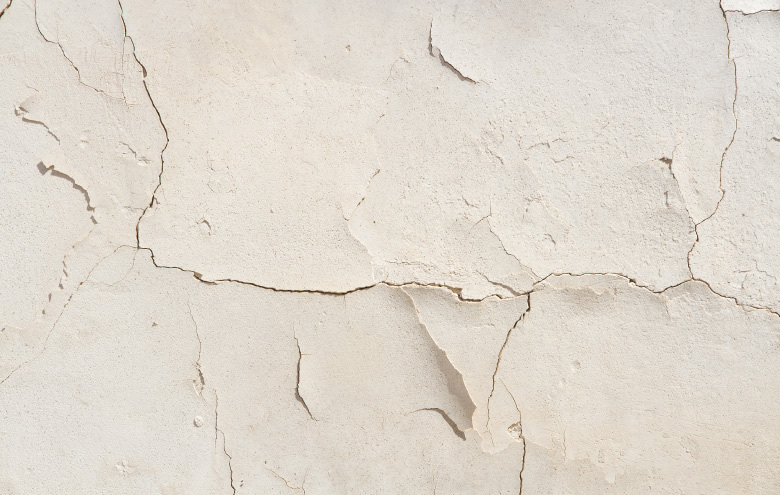
Hairline cracks are the thin, shallow lines that appear on painted or plastered walls, usually within the first year or two of a building's life. Any crack under 0.2 mm wide falls into this category. They are almost always cosmetic, caused by minor movement as materials settle and dry. They do not affect structural integrity and do not need professional attention. A good filler and a fresh coat of paint is all they require.
That said, if hairline cracks are appearing in large numbers across multiple walls at the same time, or if they keep coming back after repair, it is worth investigating the underlying cause before reaching for the filler again.
Structural vs Non-Structural Cracks: Key Differences
Structural Cracks | Non-Structural Cracks |
Cracks stay on the surface | Cracks may be visible on both sides of a wall, and widen over time |
Cracks affect the plaster or render but do not penetrate the masonry or brickwork beneath. | Cracks are often accompanied by sticking doors or uneven floors. |
Cracks are generally horizontal or random in pattern and stay consistent in width. | Cracks are diagonal, particularly running at 45 degrees from the corners of windows and doors. |
Non-structural cracks stay on the surface. They affect the plaster or render but do not penetrate the masonry or brickwork beneath. They are generally horizontal or random in pattern and stay consistent in width.
Structural cracks are different. They tend to be diagonal, particularly running at 45 degrees from the corners of windows and doors. They widen over time, may be visible on both sides of a wall, and are often accompanied by sticking doors or uneven floors. Any crack wider than 5 mm should be assessed by a structural engineer before any repair work begins.
5 Most Common Causes of Wall Cracks
1. Settlement
All buildings move slightly as they settle into their foundations over time. This is normal and expected, particularly in newer properties. Settlement cracks are usually minor, appear within the first few years, and stabilise once the building has fully settled.
2. Dampness
Dampness in walls is one of the most common and most overlooked causes of cracking. When moisture gets into plaster or masonry, it weakens the material from within. Over time, the plaster bond breaks down, leading to flaking, bubbling, and visible surface cracks. Treating the crack without addressing the damp will always result in the problem returning.
3. Thermal Expansion
Building materials expand and contract with changes in temperature. In climates with significant seasonal variation, this repeated movement puts stress on plaster and render surfaces, particularly on exterior walls with direct sun exposure. Fine horizontal or vertical cracks along mortar lines are often the result.
4. Poor Plastering
Rapid drying, insufficient bonding agent, or plaster applied too thickly can all lead to shrinkage cracks in new plaster. These appear during the curing process and are a sign that the original application was not carried out correctly. Plaster crack repair in these cases needs to be done carefully to avoid the same problem recurring.
5. Overloading
Shelving, cabinetry, or fittings that place concentrated load on a wall section can cause localised cracking around fixings over time. The cracks are usually small and contained but should be addressed before any further weight is added.
How to Repair Wall Cracks Step by Step (DIY)
1. Tools You Need
A scraper or filling knife, sandpaper (medium and fine grade), a clean brush, a damp cloth, filler, primer, and your chosen topcoat emulsion.
2. Surface Prep
Clean the crack thoroughly. Remove any loose plaster, dust, or flaking paint with a scraper and brush. Wipe the area with a damp cloth and allow it to dry completely before applying any filler. Skipping this step is the most common reason repairs fail.
3. Filling
For how to repair cracks in walls, press filler firmly into the crack with a filling knife, slightly overfilling to allow for shrinkage as it dries. Once dry, sand back to a smooth, flush finish. For wider cracks, a second application after the first has dried will give a better result than trying to fill the full depth in one go.
For exterior wall repair, use a weather-resistant filler that can flex slightly with thermal movement. Standard interior fillers will crack again once exposed to temperature changes outside.
4. Painting Over
Once filled and sanded, apply a coat of primer before your topcoat. Priming seals the filler and ensures the finish coat bonds evenly. Painting directly over filler without primer often results in a patchy, uneven appearance that shows through the finished surface.
When to Call a Professional (Warning Signs)
Some situations need more than a DIY repair. Call a professional if:
The crack is wider than 5 mm or visibly growing over weeks. Diagonal cracks are running from the corners of windows or door frames. Cracks appear on both sides of the same wall. Doors or windows that previously opened freely are now sticking. You can see daylight through a crack in an external wall. There is visible bowing or bulging in the wall surface alongside the cracking.
These are signs that the issue may be structural, and no amount of filler will solve a structural problem.
Best Products to Prevent Cracks from Coming Back
The right product choice makes the difference between a repair that lasts and one that fails within a season.
A. For wall crack repair on interior surfaces, a quality ready-mixed filler followed by a primer and British Paints exterior emulsion on external faces gives a durable, weatherproof result. The elastomeric properties in British Paints Weather Shield allow the coating to flex with minor wall movement, bridging micro-cracks before they become visible again.
B. For how to fix structural cracks in walls that have already been assessed and stabilised, a bonding primer applied before the topcoat ensures adhesion across the repaired area. Skimping on the primer stage is one of the main reasons cracks reappear after what looked like a thorough repair.
On exterior surfaces, always use a product specifically formulated for outside use. Interior emulsions have no resistance to rain, UV, or temperature cycling and will fail quickly when used outside.
FAQs
Q1: Are hairline cracks in walls dangerous?
A. No, hairline cracks under 0.2 mm are cosmetic and extremely common, particularly in newer buildings as materials settle. They do not affect the structure of a wall in any way. Fill, prime, and repaint and they will not cause any further issues.
Q2: What causes cracks in newly plastered walls?
A. Rapid drying, poor curing conditions, or an insufficient bonding agent are the most common causes of shrinkage cracks in new plaster. If the plaster dries too quickly, it contracts unevenly and fine surface cracks appear during the curing process. Keeping the surface slightly damp during curing helps prevent this.
Q3: Can dampness cause wall cracks?
A. Yes, and it is one of the more frustrating combinations to deal with because the crack is a symptom rather than the root problem. Moisture weakens the plaster bond over time, leading to flaking, bubbling, and visible surface cracking. Any repair that does not also address the source of the damp will fail and the crack will return.
Q4: Which British Paints product is best for sealing wall cracks?
A. British Paints Crack Filler and Weathershield are both well suited to sealing surface cracks ahead of a topcoat application. Apply filler first, allow it to cure fully, then prime before finishing with Weathershield for a result that is both durable and weatherproof on external surfaces.
Q5: How do I stop cracks from reappearing after repair?
A. The two most common reasons cracks come back are insufficient surface prep and the wrong product choice. Always prime before painting, and for exterior walls use British Paints Weather Shield, which has elastomeric properties that allow the coating to flex with minor movement and bridge micro-cracks before they reopen.
Q6: Can exterior wall cracks lead to water seepage?
A. Yes, and this is one of the more serious consequences of leaving exterior cracks untreated. Even a hairline crack on an external wall allows rainwater to penetrate the surface during prolonged wet weather. Over time, that moisture works its way inward, causing dampness, internal staining, and further plaster damage.
Q7: What is the best paint for walls prone to cracking?
A. British Paints Exterior Emulsion with elastomeric properties is the right choice for walls that are prone to movement or thermal stress. It bridges micro-cracks, resists weathering, and maintains adhesion across repaired surfaces far better than standard emulsions. For walls with a history of cracking, it is the most reliable long-term solution available.