
British Paints
07 Oct 2026 • Blog
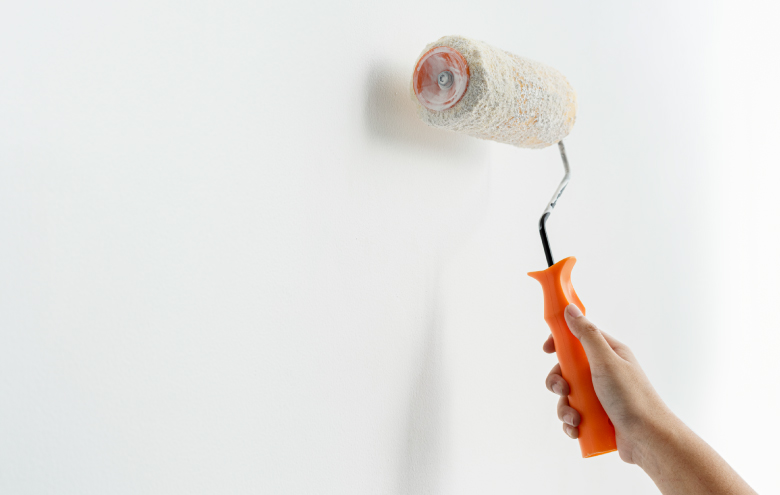
When planning to paint your home, choosing a colour is usually the exciting part. But before the final coat goes on, there is one important step that often gets overlooked: applying the right primer. A primer creates a base for the paint to hold on to. It helps prepare the surface, improves paint adhesion and can also make the final finish look smoother and more even. However, not every primer is meant for every surface. The right choice depends on what you are painting and the condition of that surface. From interior walls and exterior surfaces to wood and metal, different surfaces may need different types of primer paint. This guide will help you understand the main types of primer paint, their purpose and how to choose the right one for your painting project. What Is Primer Paint and Why Is It Important?Primer Paint is a preparatory coating applied before the main paint. Its job is to create a suitable base between the surface and the topcoat. A good primer can help:
Think of it as preparing the surface before painting. Even the best paint may not deliver the desired finish if the surface underneath has not been prepared properly. Different Types of Primer PaintHere are some commonly used primer types and where they are generally suitable. 1. Cement PrimerCement primers are commonly used on masonry surfaces such as plastered walls, concrete and cement surfaces. These surfaces can be porous and may absorb paint unevenly. A suitable cement primer helps create a more uniform base before applying the finishing paint. It is generally used for:
Before applying primer, make sure the surface is clean, dry and properly cured. 2. Interior Wall PrimerInterior primers are designed to prepare indoor walls before painting. They can help create a smooth base for the topcoat and improve the overall appearance of the painted surface. They are generally suitable for areas such as:
The right interior primer can help ensure that the final colour looks more even and consistent. 3. Exterior Wall PrimerExterior walls face much tougher conditions than interior walls. They are exposed to sunlight, rain, dust and changing weather conditions. An exterior primer is designed to prepare the surface before exterior paint is applied. Choosing a primer suitable for exterior use can help create a strong base for the paint system. Before painting, check the wall for issues such as cracks, loose particles or moisture-related concerns. Surface preparation is just as important as choosing the right primer. 4. Wood PrimerWood needs a different kind of preparation because its surface and absorption properties are different from walls. A suitable wood primer can help create a uniform base before applying the finishing coat. It can be used on wooden surfaces such as:
The surface should be properly cleaned and sanded before applying the primer. This helps create a smoother surface for the next coat. 5. Metal PrimerMetal surfaces need to be prepared carefully before painting. Depending on the type and condition of the metal, the right primer can help improve adhesion and support better performance of the paint system. Metal primers may be used on surfaces such as:
Before application, remove loose rust, dust and other surface contaminants as required. The primer should always be chosen according to the surface and the paint system being used. How to Choose the Right PrimerChoosing from different types of primer paint does not have to be complicated. Start by asking a few simple questions. What Surface Are You Painting?This is the first and most important question. A plastered wall, wooden door and metal railing have different surface properties. A primer suitable for one may not be the right choice for another. Always choose a primer based on the surface you are working on. Is It an Interior or Exterior Surface?Interior and exterior surfaces face different conditions. An interior wall is protected from direct sunlight and rain, while an exterior wall is constantly exposed to changing weather. Make sure the primer is suitable for the location where it will be used. What Is the Condition of the Surface?Take a close look at the surface before starting. Is it new or previously painted? Is it smooth, porous, dusty or showing signs of moisture-related issues? Surface condition can affect the preparation and primer selection. Any existing problems should be addressed before painting rather than simply covered with a new coat. Is the Primer Compatible With the Paint?The primer and finishing paint should work as part of a compatible paint system. Check the product instructions and application recommendations before use. This can help you choose the right combination and follow the correct preparation process. A Quick Checklist Before Buying PrimerBefore making your choice, check these five things:
Final ThoughtsThe right primer can make a real difference to the final appearance and performance of your paint. Instead of choosing one product for every surface, take a moment to understand what your wall, wood or metal surface actually needs. The best choice depends on the surface type, its condition and whether it is being painted indoors or outdoors. Proper surface preparation, the right primer and a compatible finishing paint can help you achieve a smoother and more reliable finish. If you are unsure which option is right for your project, explore the suitable British Paints solutions and follow the recommended surface preparation and application instructions for the product you choose. FAQs1. How do I choose the right type of primer?Start by identifying the surface you are painting, such as cement, wood or metal. Then consider whether it is an interior or exterior surface and check its condition before selecting a suitable primer. 2. Which primer is best for interior walls?The right primer depends on the condition and type of wall. Choose a primer recommended for interior wall surfaces and ensure the surface is properly prepared before application. 3. Can the same primer be used for interior and exterior walls?Not always. Interior and exterior surfaces face different conditions, so it is important to check whether the primer is recommended for the specific surface and location. 4. Can I apply paint without a primer?In some situations, paint may be applied directly depending on the surface and product instructions. However, using a suitable primer can help prepare the surface and improve the overall finish and paint adhesion.
|