
British Paints
18 Apr 2026 • Design
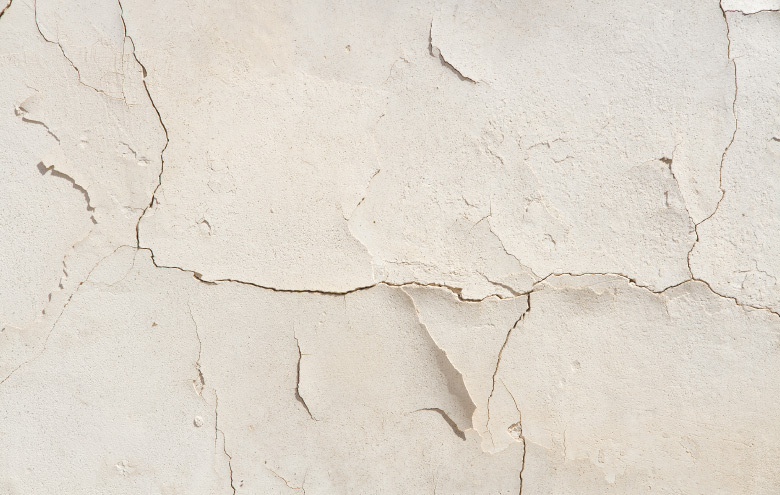
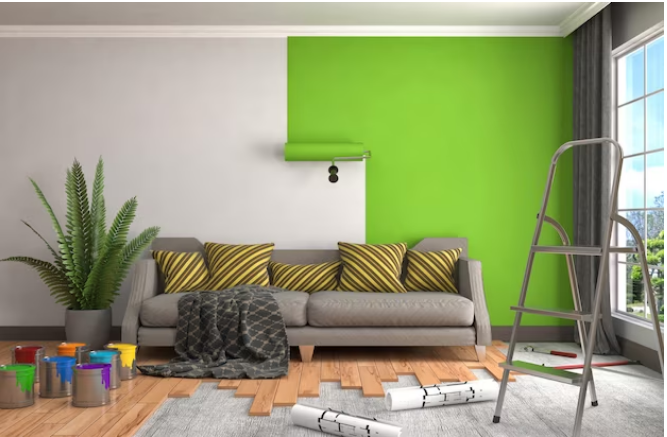
Painting the internal partitions of your house can be a rewarding DIY task, but it's important to close it with some know-how to complete professional-looking effects. In this complete manual, we'll supply you with professional tips and strategies to complete your interior painting task smoothly. 1. Preparation is KeyBefore you start smudging, careful practice is important. Empty the room of furniture and cover the floor with drop materials to rescue it from colour splatters. Can switch scales and platform covers, and use painter's tape to borders, frames, and different places you want to watch. 2. Choose the Right PaintSelecting the right paint is crucial for a successful project. Consider factors like the type of surface you're painting, the desired finish (matte, eggshell, satin, or gloss), and the colour. High-quality paint will provide better coverage and durability. 3. Primer MattersIn some cases, using a primer is necessary. It helps create a smooth surface, covers stains, and ensures that the final paint colour appears true. When painting over a dark colour or a porous surface, a tinted primer can save you from applying multiple coats of paint. 4. Invest in Quality ToolsHigh-quality paintbrushes, rollers, and paint trays can make a significant difference in the outcome of your project. Invest in tools that match the type of paint you're using and the texture of your walls. 5. Start with a Clean SurfaceClean the walls thoroughly to remove dust, dirt, and any grease or grime. A clean surface ensures better paint adhesion and a more even finish. Use a mild detergent solution and a sponge or cloth to wash the walls. 6. Repair Wall ImperfectionsInspect your walls for imperfections like cracks, holes, or dents. Fill these gaps with spackling compound or putty and sand them smooth once dry. Sanding also helps smooth rough areas and removes old, flaking paint. 7. Use the Right Painting TechniqueWhen it comes to actually applying the paint, the right technique matters. Here are some expert tips: Cut in first: Start by cutting in the edges of the room using a paintbrush. This includes areas that a roller can't reach, like corners and along trim. Roll the walls: After cutting in, use a roller to cover the larger wall areas. Roll the paint in a "W" or "M" shape, and then fill it in for even coverage. Maintain a wet edge: To prevent lap marks, maintain a "wet edge" while painting. This means working quickly and not letting the paint dry between sections. Work from top to bottom: Start painting at the top of the wall and work your way down. This prevents drips and allows you to catch any paint runs as you go. 8. Multiple Coats May Be NecessaryIn most cases, you'll need to apply more than one coat of paint to achieve the desired colour and coverage. Be sure to let each coat dry completely before applying the next. 9. Avoid Drips and RunsDrips and runs are common painting mishaps. To prevent them, avoid overloading your brush or roller with paint. Tap off excess paint before applying it to the wall. If you do notice a drip, immediately smooth it out with your brush or roller. 10. Finishing TouchesOnce you've completed your paint job, it's essential to finish with finesse: Remove painter's tape: Remove the painter's tape while the paint is still slightly wet. This prevents the tape from pulling off dried paint and leaves clean, crisp edges. Inspect your work: After the paint has dried, carefully inspect your work for any missed spots or imperfections. Touch up as needed. Clean your tools: Properly clean your brushes, rollers, and paint trays to extend their lifespan and prepare them for future projects.
By following these expert tips and techniques, you can
tackle your interior painting project with confidence. Whether you're giving a
single room a fresh look or repainting your entire home, the right preparation
and execution will ensure a beautiful and long-lasting finish. Happy painting! |