
British Paints
05 Nov 2026 • Blog
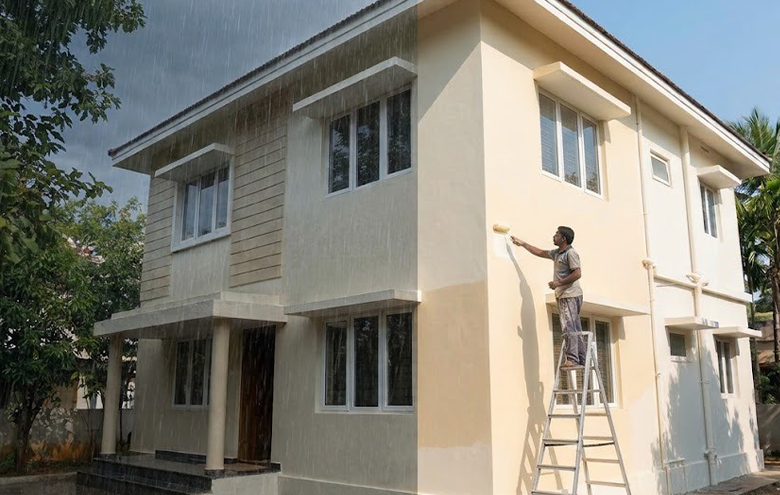
Planning to repaint your house? Before picking a colour or calling a painter, take a look at the weather. It may not be the first thing that comes to mind, but the season you paint in can make a difference to the final finish. In North India, the weather rarely stays the same for long. Summers can be extremely hot, monsoons bring weeks of rain and winters often come with fog and cold mornings. These changing conditions matter when you are painting your home's exterior. For example, a wall that has been exposed to rain for several days may still hold moisture even after the skies clear. Similarly, painting an exterior wall in strong afternoon sunlight can make the job difficult. So, when is the right time to get started? Let's look at what each season means for your house painting plans. When Should You Paint Your House in North India?If you live in Delhi, Gurugram, Noida, Punjab or Uttar Pradesh, you are familiar with how much the weather changes through the year. While there is no fixed month that works for every home, a dry period with moderate temperatures is generally more suitable for exterior painting. Here is what you should consider before scheduling the work. October and November: After the MonsoonThe rains have usually passed, and homeowners can finally take a proper look at their exterior walls. You may notice patches, peeling paint or damp spots that were not as visible before. October and November can be a good time to plan repainting, but don't rush into it just because the rain has stopped. Walls need time to dry. If there is seepage or moisture inside the plaster, get it checked before applying a fresh coat. Once the surface is dry and the weather is suitable, you can begin the painting work. December and January: Give the Fog Time to ClearWinter painting needs a little patience in North India. Foggy mornings and dew can leave walls damp, particularly in open areas. You might find that the weather feels pleasant by afternoon, but that doesn't necessarily mean the wall is ready to be painted. Check the surface before starting. If the walls remain damp or the temperature is too low for the selected paint, it is better to wait for a more suitable day. February and March: A Good Window Before SummerAs winter starts easing, February and March often bring more comfortable conditions for outdoor work. This is also a convenient time to get those pending repairs done. Check for cracks, uneven patches and areas where the old paint has started coming off. Get the walls ready before the summer heat becomes too intense. If you have been putting off your exterior painting project, this period is worth considering. April, May and June: Watch the Summer HeatNorth Indian summers can be harsh, especially in May and June. Exterior walls exposed to direct sunlight can become very hot. This matters because paint may dry too quickly under extreme heat, making application more difficult. Instead of painting in the afternoon, plan the work around cooler hours, provided the conditions meet the paint manufacturer's recommendations. Summer is not automatically off-limits, but extremely hot days are best avoided. July to September: Keep Exterior Painting on HoldMonsoon is probably the most difficult season for exterior house painting. Frequent showers and high humidity make it harder for freshly applied paint to dry properly. Even if the rain stops for a day, the walls may still be damp. British Paints advises against exterior painting during the monsoon and in extreme temperatures. So, rather than rushing into repainting, use this time to check your walls for water seepage, cracks and fungal growth. You can plan the actual painting once the weather settles and the walls have dried completely. Does Humidity Really Affect Wall Painting?Yes, and it is something worth paying attention to. Think about how long clothes take to dry during the monsoon. The same moisture in the air can affect the drying of paint. When humidity is high, moisture evaporates more slowly. This can increase drying time and affect when the next coat can be applied. Before starting work, make sure the wall is dry and there is no visible dampness. Also, give each coat the recommended drying time instead of trying to finish the job in a hurry. A little patience here can save you from having to redo the work later. What Temperature Is Suitable for Exterior Painting?There isn't one temperature that works for every type of paint. It depends on the product being used, the wall surface and the surrounding conditions. British Paints' Optima 7 Waterproofing Exterior Emulsion technical details, for instance, mention a maximum surface drying time of one hour under test conditions of 28–30°C and 60±5% relative humidity. This is a product-specific test condition, not a general temperature recommendation for every exterior paint. If you are unsure whether the weather is suitable, check the product's technical data sheet or speak to your painting professional before starting. A Few Things to Check Before You Start PaintingGetting the season right is one thing. The condition of your walls is another. A fresh coat of paint cannot fix an underlying problem such as seepage or loose plaster. These issues need attention first. Here are a few things to check before your painter gets started. Look at the existing paint. Are there patches where the paint is peeling, flaking or turning powdery? These areas need proper cleaning before repainting. Check for cracks and damp spots. Pay attention to corners, window edges and areas that receive regular rainwater. Any moisture problem should be addressed before painting. Get the surface cleaned. Dust, grease, loose paint and fungal or algae growth should be removed. British Paints recommends that the surface be clean and dry before painting. Don't skip the primer. Applying a suitable wall primer helps prepare the surface for the topcoat. For its exterior painting system, British Paints recommends Acrylic Exterior Wall Primer, diluted with water in a 1:1 ratio by volume. Allow enough time between coats. Rushing through the painting process can affect the finish. Follow the drying and recoating intervals specified for your chosen product. These steps may seem basic, but they make a real difference to the preparation and final result. Which Exterior Paint Should You Consider?Your home's exterior has to deal with more than changing colours and design preferences. It faces sunlight, dust, rain and moisture throughout the year. That is why selecting the right exterior wall paint matters. British Paints offers a range of Exterior Emulsion Paints for different exterior wall requirements. One option is Expa 7 Exterior Emulsion, formulated for exterior walls with water-resistant properties against fungi, algae and dampness caused by rain. Another option is Optima 7 Waterproofing Exterior Emulsion. It is a 100% acrylic emulsion designed for exterior walls. British Paints also specifies anti-carbonation protection when Optima 7 is used with Supra Exterior Wall Primer as part of the recommended system. If you are considering waterproof paint for exterior walls, look at the kind of exposure your walls face and the condition of the existing surface. A product suited to your home's requirements, applied with the recommended preparation, is a better starting point than simply selecting a paint based on its finish. You can explore the exterior emulsion range on the British Paints website to understand the available options. So, When Should You Finally Book Your Painter?If you are in North India, start looking at the weather rather than following a fixed painting calendar. The period after the monsoon can work well once the walls have dried. Late winter and early spring are also worth considering before temperatures rise. Avoid active monsoon conditions and days with extreme heat or cold. And remember, even the best exterior wall paint needs a properly prepared surface. Get the repairs done, use the recommended primer and give every coat enough time to dry. A little planning before the painter arrives can make the entire job easier. |