
British Paints
06 Oct 2026 • Blog
Your balcony may be a small part of your home, but the right colours can completely change how it feels. A well-chosen balcony colour combination can make a compact balcony feel brighter and more open, create a calm corner to relax in or add a stylish touch that complements the rest of your home. The best part? You do not always need multiple bold colours to create an attractive space. Sometimes, a simple combination of two colours, along with the right furniture and plants, can make all the difference. If you are planning to refresh your balcony, here are some balcony paint colour ideas to help you get started. How to Choose a Balcony Colour CombinationBefore selecting colours, take a moment to look at your balcony as a whole. Consider:
A small balcony can feel different from a large, open one. Similarly, a balcony that receives plenty of sunlight may work differently with colours compared to one that remains shaded for most of the day. The idea is to choose colours that work with the existing elements instead of making every part of the space compete for attention. 1. White and Grey: Clean and ModernWhite and grey are a popular combination for modern homes. You can use a lighter shade on the main walls and introduce grey on one section, border or architectural detail. This creates contrast without making the space feel too busy. White can help the balcony feel bright, while grey adds a contemporary touch. This combination works particularly well with:
If your balcony is small, keeping the larger surfaces in a lighter shade can help maintain an open and uncluttered look. 2. Beige and White: Warm and ElegantIf you want a softer alternative to an all-white balcony, consider beige and white. Beige adds warmth without being too bold, while white keeps the overall look fresh and light. Together, they can create a calm and welcoming space. This balcony colour combination works well with natural materials such as:
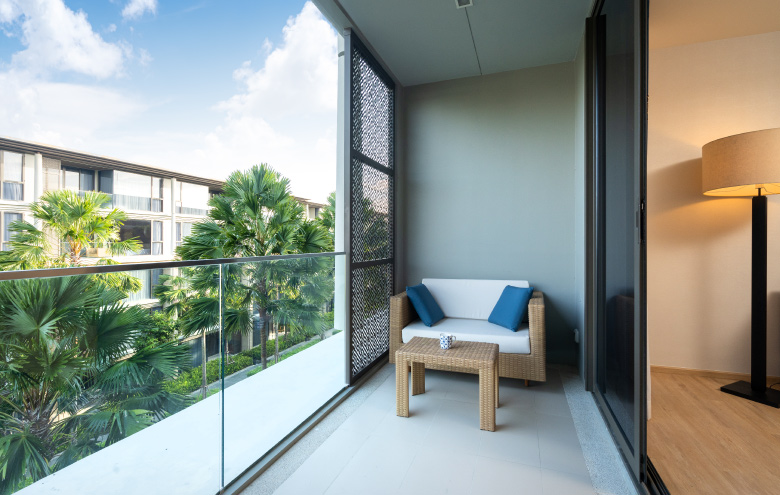
It is a simple choice for homeowners who prefer an elegant look that does not go out of style easily. 3. Soft Grey and Blue: Calm and RefreshingFor a balcony that feels relaxed and refreshing, soft grey and muted blue can work beautifully together. Grey can be used as the main colour, while blue can be introduced on a smaller wall or design element. You can also bring the blue through cushions, furniture or planters to keep the walls more subtle. This combination can suit balconies used as:
If the balcony receives plenty of natural light, lighter shades can help maintain a bright and airy appearance. 4. Earthy Tones and Green: Bring Nature CloserBalconies are often where we add plants, so earthy colours can work naturally with the space. Shades inspired by beige, clay, brown or muted terracotta can pair beautifully with green plants. Instead of using too many different colours, choose one main earthy shade and let the plants add the contrast. This creates a warm and natural look without making the space feel overdesigned. A simple setup with a neutral wall, wooden furniture and plenty of greenery can make even a small balcony feel like a peaceful outdoor corner. 5. White and Charcoal: Bold Without Being OverwhelmingWant something more striking? Try white with charcoal or a deep grey. The key is balance. Use white on most of the walls and introduce the darker shade on one feature wall or a smaller architectural section. This creates visual interest without making the balcony feel closed in. Dark shades can also work well with:
For smaller balconies, avoid using a dark shade on every wall. Keeping most surfaces lighter can help the space feel more open. 6. Pastel Shades for a Softer LookPastel colours can add personality without being too loud. Soft shades such as muted peach, light blue, pale green or gentle lavender can work well as accent colours. You can pair them with white, cream or a soft neutral to keep the overall look balanced. This is a good option if you want your balcony to feel cheerful and personal while still maintaining a modern appearance. For the best result, avoid introducing too many pastel shades at once. One accent colour is often enough. 7. A Two-Colour Combination for a Modern FinishIf you are unsure where to begin, a two-colour combination is usually an easy and effective choice. Choose:
For example, a light neutral shade can cover most of the walls, while a deeper colour can highlight one area. This approach gives the balcony character without making it visually crowded. How to Make a Small Balcony Look More SpaciousColour can influence how a space feels, especially when the balcony is compact. Here are a few simple ideas: Use Lighter Shades on Larger SurfacesLight colours can help create a brighter and more open appearance. Consider using them on the main walls, especially if the balcony does not receive much natural light. Keep the Colour Palette SimpleToo many colours can make a small space feel busy. Limiting your palette to two or three complementary shades can create a more cohesive look. Create Contrast Through AccessoriesYou do not need to paint every colour on the walls. Cushions, furniture, planters and décor can introduce additional colours while keeping the overall paint scheme simple. Consider the Flooring and RailingsThe walls are only one part of the balcony. Make sure your chosen colours work with the existing floor tiles, railings and doors. Don't Forget the ExteriorWhen choosing balcony paint colours, it is also important to consider how the balcony looks from outside. The balcony should ideally complement the exterior colour palette of your home. A completely different colour scheme may look disconnected from the rest of the building. You can still add personality to the space through furniture, plants and smaller design elements while keeping the main painted surfaces visually connected to the exterior. Final ThoughtsThe right balcony paint colour combination can turn an ordinary outdoor space into one of your favourite corners at home. Whether you prefer the clean look of white and grey, the warmth of beige and earthy tones or a more refreshing combination with soft blue or green, the key is to choose colours based on your space. Consider the amount of natural light, the size of the balcony and the colours already present in the flooring, railings and furniture. A simple and well-balanced palette can often create a better result than using too many colours. With the right British Paints exterior solutions and a colour combination that suits your style, your balcony can become a space that feels connected to the rest of your home while still having its own personality. FAQs1. Which colour is good for a balcony?There is no single best colour for every balcony. Light neutrals such as white, beige and soft grey are popular choices, while blue, green or darker shades can be used as accents depending on the look you want to create. 2. What are the best balcony colour combination ideas?Popular options include white and grey, beige and white, soft grey and blue, earthy tones with green and white with charcoal. The right combination depends on your balcony size, natural light and existing décor. 3. Which colours can make a small balcony look bigger?Lighter shades can help create a brighter and more open appearance. Keeping the main walls light and using darker colours only as accents can help maintain a sense of visual space. 4. How do I choose a balcony paint colour combination?Start by considering the balcony size, amount of sunlight, flooring, railings and furniture. Choose a simple colour palette that works with these existing elements and complements the overall exterior of your home. 5. Should the balcony colour match the exterior of the house?It does not have to match exactly, but it should generally complement the overall exterior colour palette. This can help create a more connected and balanced appearance.
Explore Our Top Products:
|