
British Paints
18 Apr 2026 • Wood
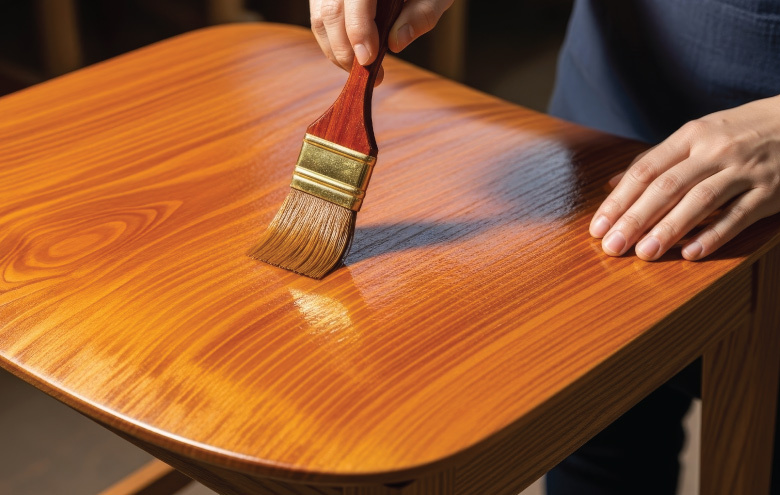
Well-designed wooden furniture is a thing of beauty as well as a thing of permanence. But it can become scratched, stained or lose its shine over time. This is where PU paint came into play! It provides wood with an impermeable layer of protection that optimizes its appearance annually. Whether painting a table, a door, or cabinets, this guide will explain PU paint for wood and proper usage techniques. What is PU Finish?PU stands for Polyurethane. It’s a long-lasting finish that creates a hard, protective layer over wood. A PU paint finish provides a smooth, shiny texture on surfaces, helping make them resistant to water, stains, and scratches. PU wood finish comes in various forms. Some leave a glossy sheen; others a soft, matte look. PU polish is particularly effective in safeguarding furniture from heat, moisture, and regular wear and tear. Which is why it’s among the most common choices for kitchen cabinetry, doors and even flooring! If you want to add some colour while also providing protection, use PU enamel paint. Why Use PU Paint for Wood?
Different Types of PU Paint FinishesThere are several types of PU enamel paint, depending on the look you want:
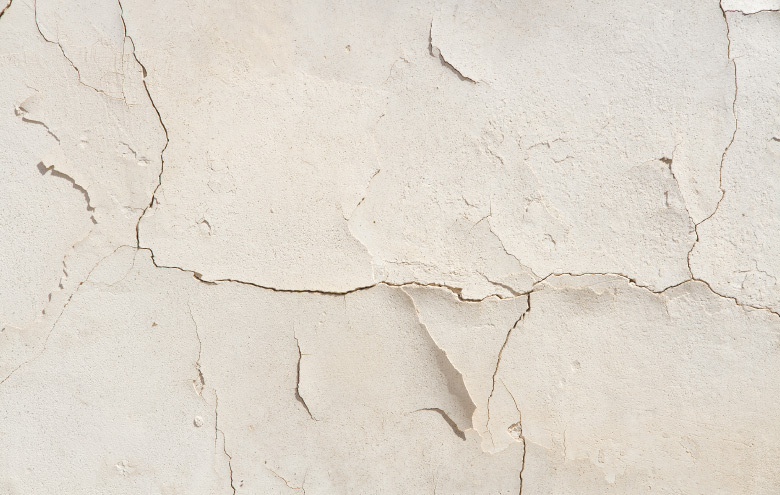
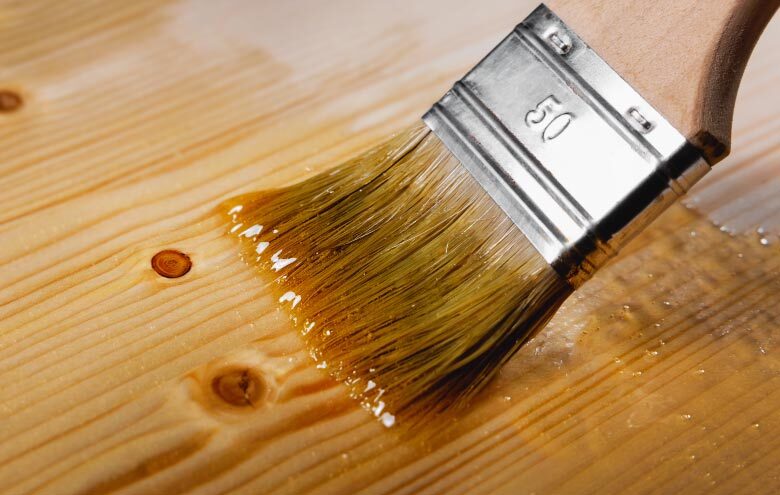
How to Apply PU Paint on WoodApplying PU paint for wood is easy when you follow these steps: 1. Prepare the SurfaceBefore you start painting, make sure the surface is well-prepared. Wipe off dust, dirt, and grease to ensure a clean base. Sand the wood to create a smooth surface, removing any rough patches. If there's old paint, strip it off if necessary. Fill any cracks or holes with wood filler to get an even finish. Ensure the wood is completely dry before painting, then clean again after sanding to remove any leftover dust. 2. Use a Primer (If Needed)A primer helps PU paint stick better and last longer. It’s especially useful on rough or porous wood. Some PU finish paint comes with built-in primer, making application easier. 3. Choose the Right PU PaintWater-based PU wood finish is safe and dries quickly. Solvent-based PU polish is more durable and ideal for high-traffic areas. If using PU enamel paint, choose a colour that complements your décor. 4. Apply the Paint
5. Let It Dry and CureAfter the final coat, let the paint dry completely. Avoid placing objects on the surface for a few days to allow the PU finish paint to cure properly. Curing ensures maximum durability and protection. Where Can You Use PU Paint?PU paint for wood works on many surfaces, including:
Tips to Keep PU Paint Looking New
Final ThoughtsPU Paint — A Great Protective Coat for Wood. PU wood finish means that once the finish is dry, whether you like it glossy or whether you like it matte, it will stay strong and would indeed look beautiful for years. So why wait? Time to put those PU paints to good use! FAQsQ: Can PU paint be easily cleaned or removed from wood? A: Yes! PU paint can be wiped clean with a damp cloth. To remove it completely, you’ll need to sand it down or use a paint remover. Q: Does PU paint need a primer? A: Not always. A primer is helpful for rough or porous wood, as it improves adhesion and durability. Some PU finish paint already contains a primer. Q: Can PU paint be used on all types of wood? A: Yes, but some woods absorb paint differently. Hardwoods like oak and teak work well, while softer woods may need extra preparation. Q: How do I apply PU paint on wood? A: Clean and sand the surface, apply primer if needed, then paint in thin, even layers. Let each coat dry completely before adding another. Q: Does PU paint protect wood from sunlight? A: Yes, PU wood finish can block UV rays and prevent fading over time. Q: Is PU paint environmentally friendly? A: Water-based PU enamel paint is more eco-friendly, while solvent-based versions contain more chemicals. Q: What kind of wood surfaces are best for PU paint? A: Smooth, sanded hardwoods like teak and mahogany work best. Softwoods require more prep work. Q: Can PU paint be used outdoors? A: Yes, but outdoor-grade PU finish paint should be used for better weather protection. |