
British Paints
18 Apr 2026 • Wood
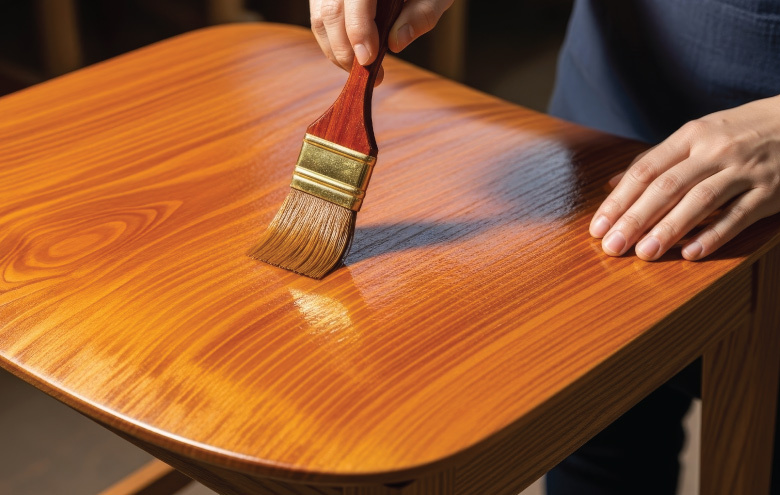
Wooden furniture gives warmth and charm to any place. But over the years it may just require a lick of paint to give it some life again. Whether you’re upcycling a tired old chair or restoring a dining table, selecting the best paint for wood furniture is crucial. With all those options, determining which paint you should use on wood can be a tricky decision. But no need for panic, here are five easy tips to help you choose well, and get a stunning finish. 1. Consider the Type of Wood and Its ConditionIf you’re considering wood-bounded paint, take a good look at the type of wood you have before you paint. Is it going to be bare or is it already painted? Is it varnished or does it have an old finish? You may also need to sand or prime wood furniture with a glossy varnish before painting it. This makes it so the paint sticks better and longer. 2. Choose the Right Finish for Your NeedsDifferent paint finishes offer different looks and levels of durability. Choosing the right one depends on both aesthetics and functionality. Matte and chalk finishes create a soft, vintage look for furniture, but they likely require a protective coat to keep stains and marks at bay. Chalk paint, which has a matte finish, is particularly popular for shabby-chic styles, but it must be waxed or sealed for it to last over time. Satin and eggshell finishes are easy to clean and are perfect for furniture that gets a lot of use; they have a slight sheen. They also conceal imperfections more than gloss. Gloss and high-gloss finishes, however, beautifully reflect light, creating a smooth and tough finish but need to be properly surface-prepared to avoid showing flaws. Semi-gloss is somewhat in between satin and full gloss, being pretty durable with a slight shimmer that doesn’t get too shiny. Textured and distressed finishes are also great for creating a rustic or farmhouse style since they can bring out the look of age by layering different colours and which can help with the distressed look. PU paint for wood is a good paint for a modern and stylish look. If you want a more basic, traditional feel, satin or eggshell finishes can be more muted but still elegant If you're aiming for a rustic or shabby-chic aesthetic, a chalky finish is the perfect choice. Conversely, high-gloss finishes work beautifully in modern settings, offering a sleek and sophisticated element to the space. Whichever option you choose, look for durable and easy-to-care-for finishes that will last. For example, if you are painting a small table for a child’s room, a satin finish in light blue will make it smooth, strong and easy to clean. To achieve an old-school look for a dresser, one can use chalk paints in a soft grey, followed up with a wax coating for a classic antique feel. 3. Pick the Best Paint Type for LongevityDurability is important, especially for furniture that gets a lot of use. The right type of paint will protect your furniture from everyday wear and tear, keeping it looking fresh for years. Here’s a breakdown of common paint types and their advantages: Acrylic paint, water based, fast drying and easy to use, makes it a great medium for DIYs. It has a low odour, comes in many colours, but is not as durable as oil-based paint, so an additional top coat helps with durability. In contrast, oil-based paint is durable, permanent and highly resistant to chipping, making it better suited for high-traffic furniture. It leaves a smooth, durable finish but has a more pungent odour and takes longer to dry. PU paint (Polyurethane paint) gives a glossy, very durable finish, best for cabinets and tabletops wanting a sleek, professional look. It repels stains, moisture, and damage for years of protection. Additionally, being made from natural ingredients makes milk paint an eco-friendly choice. Provides a soft, antique-style finish preferred for rustic or farmhouse furniture, but may need a bonding agent on nonporous surfaces. For high-traffic pieces like tables and chairs, oil paint on wood or PU paint for wood is a fantastic choice due to its strength and resistance to wear. If you’re painting a decorative piece or something that won’t be used daily, acrylic or chalk paint is a practical and easy-to-use option. No matter which paint you choose, always consider applying a sealant for extra durability, especially for furniture that gets frequent use. 4. Select a Colour That Complements Your SpaceThe right colour for wooden furniture can transform a room. Neutral tones like white, grey, and beige are timeless and versatile, blending well with different styles. Bold colours, like deep blue or emerald green, add personality and make a statement. Consider how furniture fits into your existing decor. If you're unsure, test a small patch before committing to a full coat. Lighter shades can make a room feel airy, while darker tones add sophistication. You can also experiment with two-tone designs by painting the body and legs in different colours. 5. Don’t Skip the Prep and FinishA good paint job starts with good preparation. Follow these essential steps:
Once painted, take care of your furniture properly to maintain its beauty and longevity. Final ThoughtsChoosing what paint for wood furniture isn’t just about colour; it’s about durability, finish, and style. Whether you go for oil paint on wood, water-based options, or PU paint for wood, selecting the right type will give your furniture a fresh new look. FAQs Q: Can I paint over varnished wood furniture? Q: Should I use a primer before painting wood furniture? Q: How many coats of paint are needed for wooden furniture? Q: Is oil-based paint better for durability on wood furniture? Q: How long does it take for paint to dry on wood furniture? Q: Can I use spray paint on wood furniture? Q: How can I maintain wood furniture after painting? |